
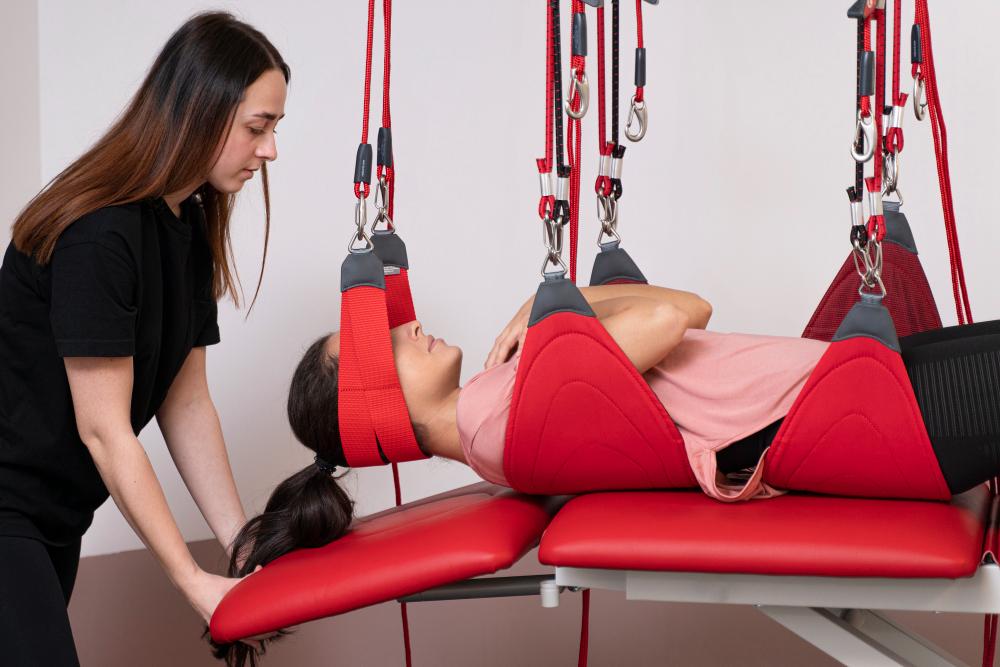
Vestibular Rehabilitation is a specialized form of physiotherapy that focuses on treating dizziness, vertigo, balance problems, and visual instability caused by disorders of the inner ear or vestibular system. These conditions can significantly affect daily activities, increasing the risk of falls and reducing confidence in movement.
The main goal of vestibular rehabilitation is to help the brain adapt and compensate for balance dysfunction through targeted exercises and movement training. Therapy begins with a detailed assessment in which the physiotherapist evaluates balance, eye movements, gait, posture, and symptom triggers.
Common conditions treated with vestibular rehabilitation include benign paroxysmal positional vertigo (BPPV), vestibular neuritis, labyrinthitis, age-related balance decline, and dizziness following concussion or neurological conditions.
Treatment programs are highly individualized and may include gaze stabilization exercises, balance training, habituation exercises, positional maneuvers (such as the Epley maneuver for BPPV), and walking or coordination training. These exercises help retrain the brain to process balance signals more effectively.
Education is also an important component of vestibular rehabilitation. Patients are guided on fall prevention strategies, safe movement techniques, and home exercise routines to support recovery between therapy sessions.
Vestibular rehabilitation is suitable for people of all ages, especially older adults and individuals experiencing persistent dizziness. With consistent therapy, many patients experience reduced vertigo episodes, improved balance, and increased confidence in daily activities.
Overall, Vestibular Rehabilitation is an effective, non-invasive approach that helps restore stability, reduce dizziness, and improve quality of life for individuals with balance disorders.
Vestibular Rehabilitation
Feb 24, 2026
Vestibular Rehabilitation: Improving Balance and Reducing Dizziness
Vestibular Rehabilitation is a specialized therapy designed to reduce dizziness, improve balance, and restore stability in individuals with inner ear or balance disorders.