
Sensory Integration Therapy is a specialized therapeutic approach designed to help individuals who have difficulty processing and responding to sensory information. Sensory input includes what we see, hear, touch, smell, taste, and how our body senses movement and position. When the brain struggles to organize these sensations properly, it can affect behavior, learning, attention, and daily functioning.
The theory of sensory integration was developed by A. Jean Ayres, who identified how sensory processing challenges can impact child development. Today, this therapy is widely used by occupational therapists to support individuals with sensory processing difficulties.
Sensory Integration Therapy is commonly recommended for children with autism spectrum disorder, ADHD, developmental delays, learning difficulties, or sensory processing disorder. However, some adults with neurological conditions may also benefit. Therapy begins with a comprehensive assessment to identify specific sensory challenges and functional needs.
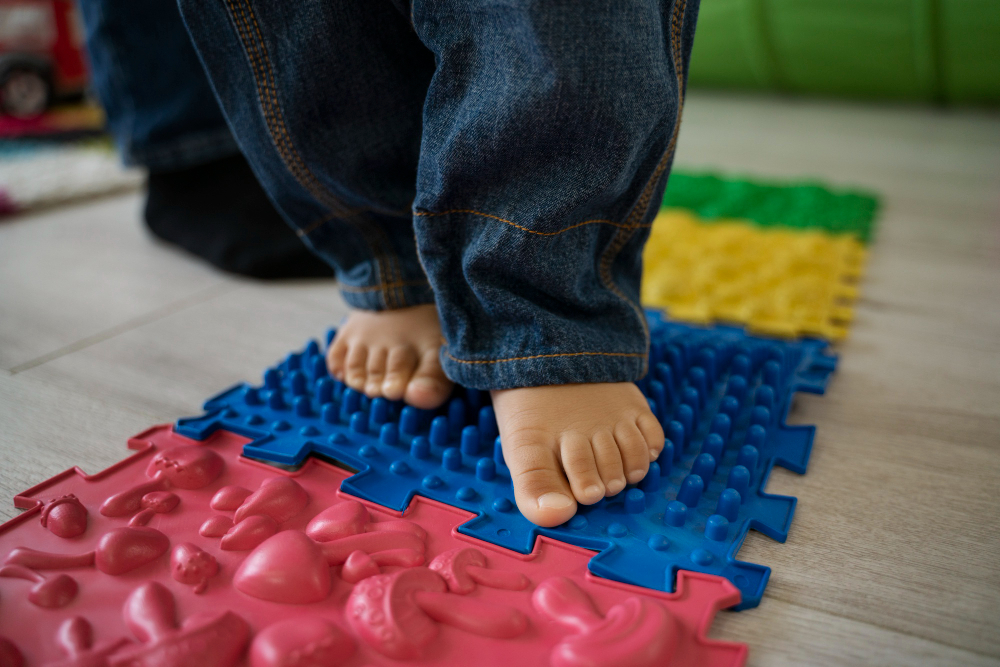
Sessions are usually play-based and structured to gently challenge the sensory system in a safe and controlled way. Activities may include swinging, balancing, textured play, deep pressure input, obstacle courses, and movement exercises. These activities help the brain gradually learn to organize and respond to sensory input more effectively.
One of the key strengths of Sensory Integration Therapy is its individualized and engaging approach. Therapy is often enjoyable for children while still targeting important developmental goals. With consistent participation and professional guidance, many individuals show improvements in attention, behavior, coordination, and emotional regulation.
Overall, Sensory Integration Therapy plays an important role in helping individuals better understand and respond to their sensory world, supporting improved participation in daily life.
Sensory Integration Therapy
Feb 23, 2026
Sensory Integration Therapy: Helping the Brain Process Sensory Information
Sensory Integration Therapy supports children and adults who have difficulty processing sensory input, helping them respond more effectively to everyday environments.