
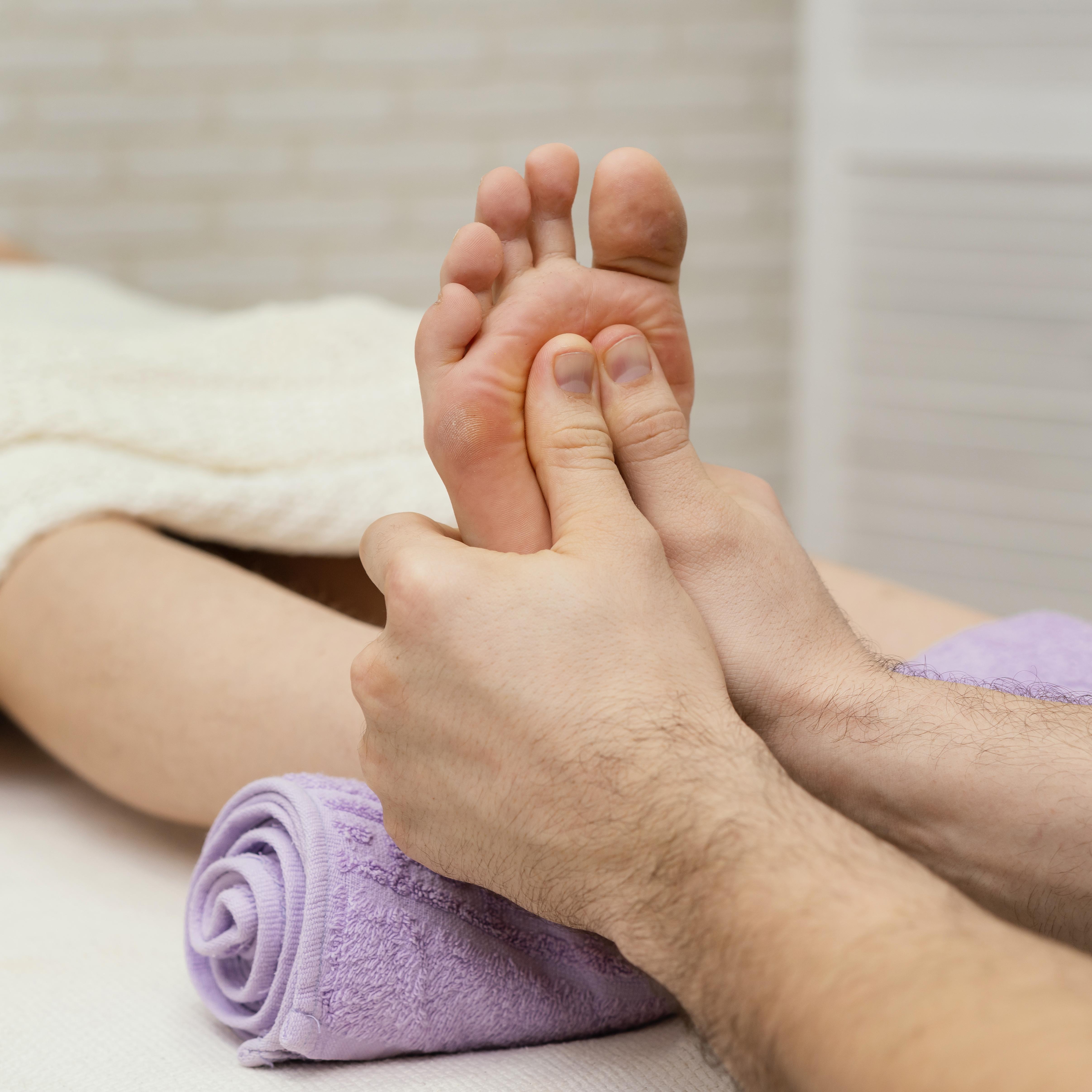
Reflexology is a holistic therapy based on the principle that specific points on the feet, hands, and ears correspond to different organs and systems of the body. By applying controlled pressure to these reflex points, reflexology aims to promote relaxation, improve circulation, and support the body’s natural balance.
This practice has roots in ancient healing traditions and is now widely used as a complementary wellness therapy. During a reflexology session, a trained practitioner uses their fingers and thumbs to apply gentle, targeted pressure to selected areas. The technique is usually relaxing and comfortable, and many people experience a sense of calm during and after the session.
Reflexology is commonly used to help reduce stress, ease muscle tension, improve sleep quality, and promote general relaxation. Some individuals also use reflexology to support digestive health, reduce headaches, and manage fatigue. While it is not a replacement for medical treatment, it is often used alongside conventional care as part of a holistic wellness approach.
One of the key benefits of reflexology is that it is non-invasive and drug-free. When performed by a trained professional, it is generally considered safe for most people. However, individuals with certain foot injuries, infections, or serious medical conditions should consult a healthcare provider before starting therapy.
Reflexology sessions are typically available in wellness centers, spas, clinics, and therapy facilities. With regular sessions and proper guidance, reflexology can help support relaxation, improve comfort, and contribute to overall physical and emotional well-being.
Reflexology
Feb 16, 2026
Reflexology: A Natural Technique for Relaxation and Balance
Reflexology is a complementary therapy that applies gentle pressure to specific points on the feet, hands, or ears to promote relaxation and support overall well-being.