
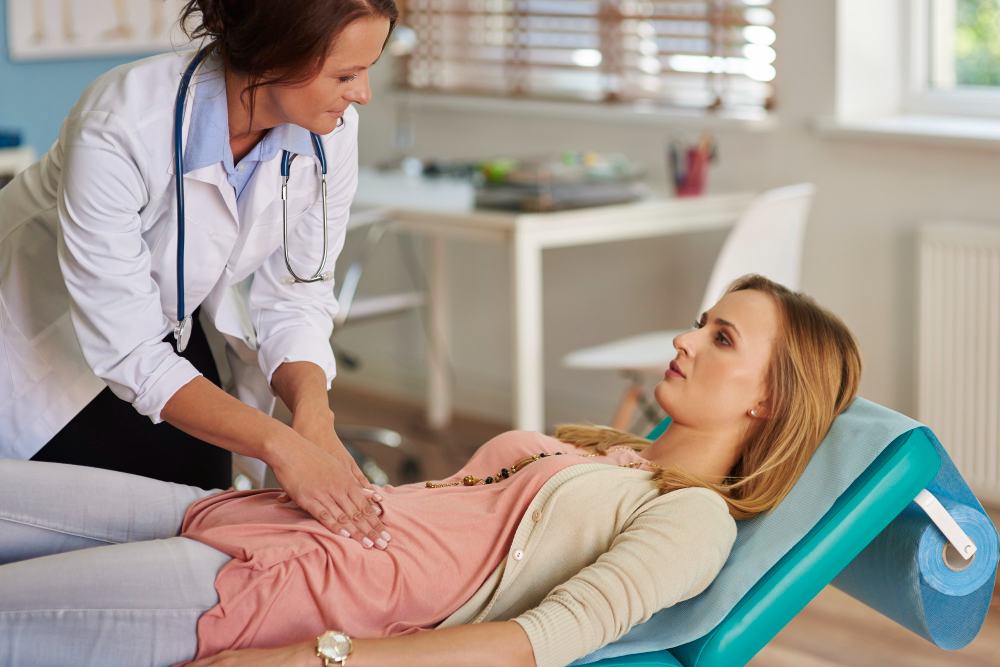
Pelvic Floor Therapy is a specialized physiotherapy approach focused on assessing and treating dysfunction of the pelvic floor muscles. These muscles form a supportive hammock at the base of the pelvis and play an essential role in bladder and bowel control, pelvic organ support, sexual function, and core stability.
When the pelvic floor muscles become weak, tight, or poorly coordinated, individuals may experience symptoms such as urinary leakage, urgency, pelvic pain, pelvic organ prolapse, constipation, or discomfort during daily activities. Pelvic floor therapy aims to restore proper muscle strength, flexibility, and coordination.
The therapy process begins with a detailed assessment conducted by a trained physiotherapist. This may include evaluation of pelvic floor muscle strength, breathing patterns, posture, and core stability. Based on the findings, a personalized treatment plan is created.
Common treatment methods include pelvic floor muscle training (often known as Kegel exercises), biofeedback therapy, manual therapy, relaxation training, core strengthening, and bladder or bowel retraining programs. Education about healthy toileting habits, fluid intake, and lifestyle modifications is also an important component.
Pelvic floor therapy is beneficial for both women and men. It is commonly recommended during pregnancy and postpartum recovery, after prostate surgery, for chronic pelvic pain, or for individuals experiencing incontinence or prolapse symptoms.
One of the key advantages of pelvic floor therapy is its non-surgical and drug-free approach. With proper guidance and consistent practice, many individuals notice significant improvement in bladder control, pain reduction, and daily comfort.
Overall, Pelvic Floor Therapy plays a vital role in restoring pelvic health, improving core support, and enhancing quality of life.
Pelvic Floor Therapy
Feb 26, 2026
Pelvic Floor Therapy: Strengthening Core Support and Bladder Control
Pelvic Floor Therapy helps improve bladder and bowel control, reduce pelvic pain, and strengthen the muscles that support the pelvic organs.