
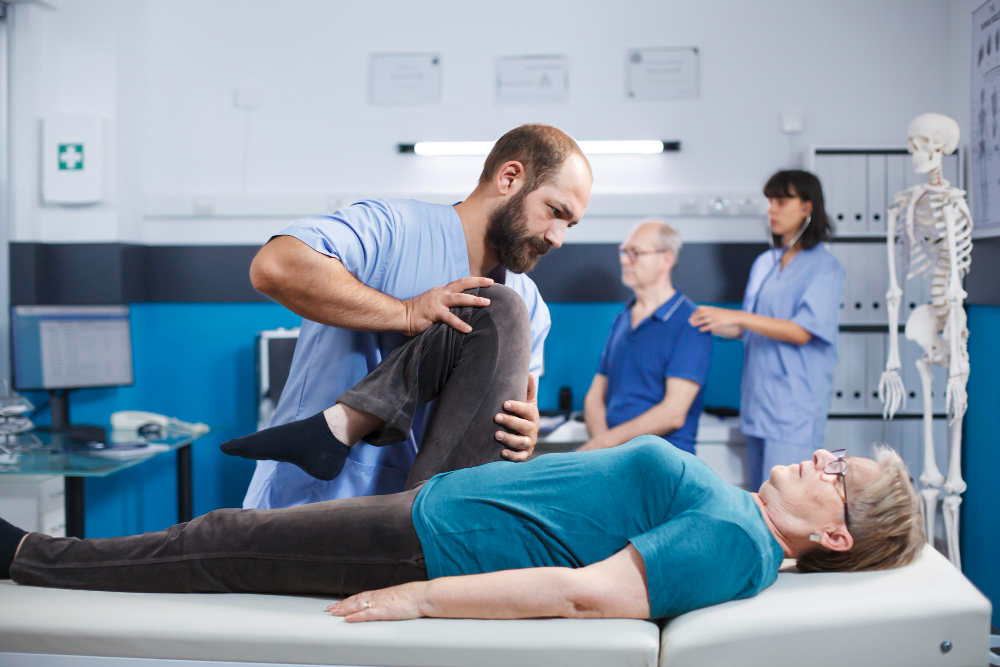
Orthopedic rehabilitation focuses on improving movement, reducing pain, and restoring physical function after musculoskeletal injuries or procedures. Whether recovering from a fracture, joint replacement, ligament tear, or chronic condition like arthritis, rehabilitation plays a critical role in helping patients return to their normal activities safely and effectively.
This type of rehabilitation is commonly recommended after surgeries such as knee or hip replacements, shoulder repairs, spinal procedures, or sports-related injuries. It is also beneficial for individuals dealing with back pain, joint stiffness, muscle strains, or repetitive stress injuries. Each treatment plan is personalized based on the patient’s condition, age, activity level, and recovery goals.
Orthopedic rehabilitation typically includes physical therapy techniques such as strengthening exercises, flexibility training, range-of-motion exercises, and balance improvement. Manual therapy, posture correction, and guided functional movements are also incorporated to support proper healing and prevent future injuries. In many cases, therapists provide education on body mechanics and ergonomic adjustments to promote long-term joint and muscle health.
Pain management is another important aspect of orthopedic rehabilitation. Controlled exercises and therapeutic techniques help reduce inflammation, improve circulation, and gradually rebuild strength without placing excessive stress on healing tissues.
Consistency and guided progression are key to successful recovery. With professional supervision and a structured program, patients often experience improved mobility, restored strength, reduced discomfort, and enhanced confidence in daily activities.
Overall, orthopedic rehabilitation helps individuals regain independence, return to work or sports, and maintain a healthy, active lifestyle. Early intervention and commitment to therapy significantly improve long-term outcomes and reduce the risk of re-injury.
Orthopedic Rehabilitation
Feb 21, 2026
Orthopedic Rehabilitation: Restoring Strength, Mobility, and Function
Orthopedic rehabilitation is a structured therapy program designed to help individuals recover from injuries, surgeries, and conditions affecting the bones, joints, muscles, ligaments, and tendons.