
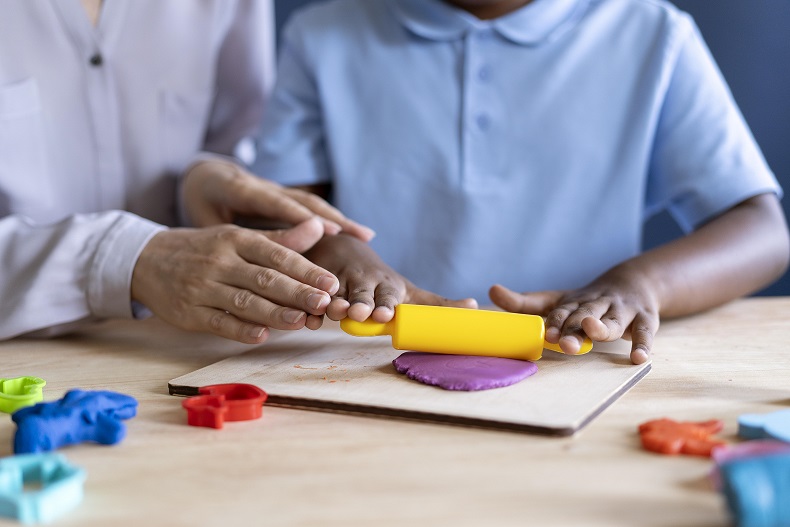
Occupational therapy is a healthcare service that supports people of all ages in performing everyday tasks. These tasks, also known as occupations, include self-care, work, school activities, and social participation. Occupational therapy focuses on helping individuals live more independently and improve their quality of life.
People may need occupational therapy due to injury, illness, disability, developmental delays, or mental health challenges. Children may receive occupational therapy to improve motor skills, coordination, sensory processing, or learning abilities. Adults and older individuals often benefit from occupational therapy to regain skills after injury, manage chronic conditions, or adapt to physical limitations.
Occupational therapists assess a person’s physical, emotional, and cognitive abilities. Based on this assessment, they create personalized therapy plans that may include exercises, skill-building activities, adaptive techniques, and the use of assistive tools. Therapy sessions are designed to improve strength, coordination, problem-solving skills, and daily functioning.
Occupational therapy also focuses on modifying environments to make daily activities easier and safer. This may involve changes at home, school, or the workplace to support independence and reduce risk of injury.
Overall, occupational therapy helps individuals participate fully in life. By improving functional abilities and confidence, it supports long-term well-being, independence, and meaningful engagement in daily activities.
Occupational therapy
Jan 19, 2026
Occupational Therapy: Improving Daily Living and Independence
Occupational therapy helps individuals develop, recover, or maintain the skills needed for daily activities and independent living.