
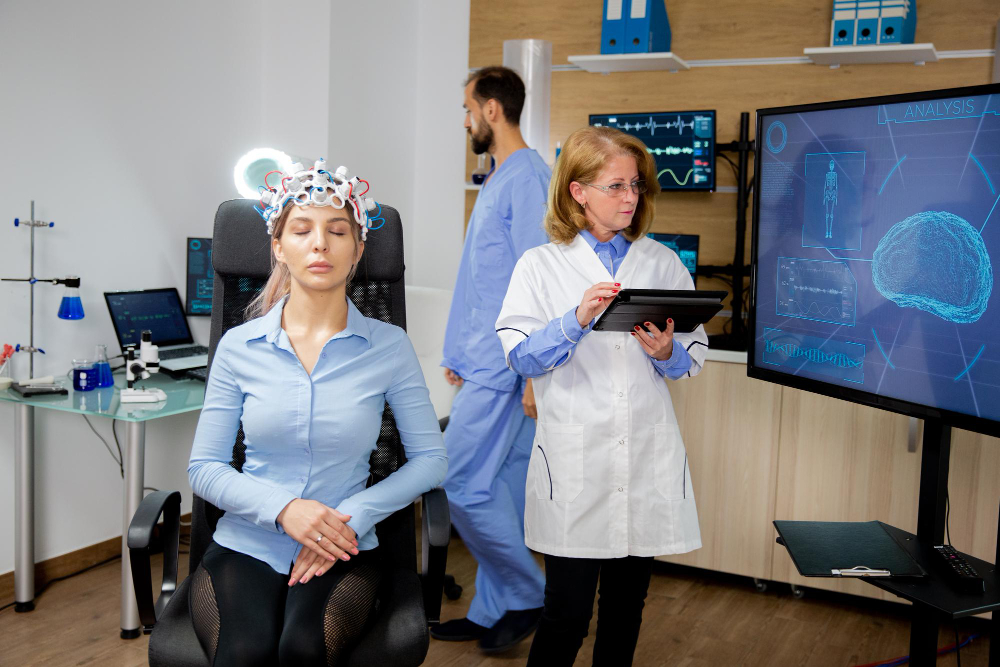
Neurological therapy focuses on treating disorders that impact the nervous system, which controls movement, balance, coordination, sensation, and cognitive abilities. When the nervous system is affected by injury, illness, or degeneration, daily activities can become challenging. Neurological therapy aims to restore independence, enhance mobility, and improve overall quality of life.
This type of therapy is commonly recommended for individuals recovering from conditions such as stroke, traumatic brain injury, spinal cord injury, multiple sclerosis, and Parkinson’s disease. It can also support those living with chronic neurological disorders. Treatment plans are personalized, based on each person’s specific condition, symptoms, and goals.
Neurological therapy often includes physical therapy to improve strength, flexibility, and balance; occupational therapy to assist with daily living skills; and speech therapy to address communication or swallowing difficulties. Therapists use targeted exercises, coordination training, gait retraining, and cognitive activities to stimulate the nervous system and encourage neuroplasticity—the brain’s ability to reorganize and form new connections.
Early intervention is important for optimal recovery, but therapy can be beneficial at any stage of a neurological condition. With consistent practice and professional guidance, many individuals experience improved mobility, better coordination, reduced pain, and greater confidence in daily tasks.
In addition to physical improvements, neurological therapy also supports emotional well-being. Living with a neurological condition can be overwhelming, and a structured rehabilitation program provides both practical tools and motivation for long-term progress.
Overall, neurological therapy plays a vital role in helping individuals regain function, adapt to challenges, and lead more independent and fulfilling lives.
Neurological Therapy
Feb 21, 2026
Neurological Therapy: Supporting Recovery and Restoring Function
Neurological therapy is a specialized form of rehabilitation designed to help individuals recover, adapt, and improve function after conditions affecting the brain, spinal cord, and nervous system.