
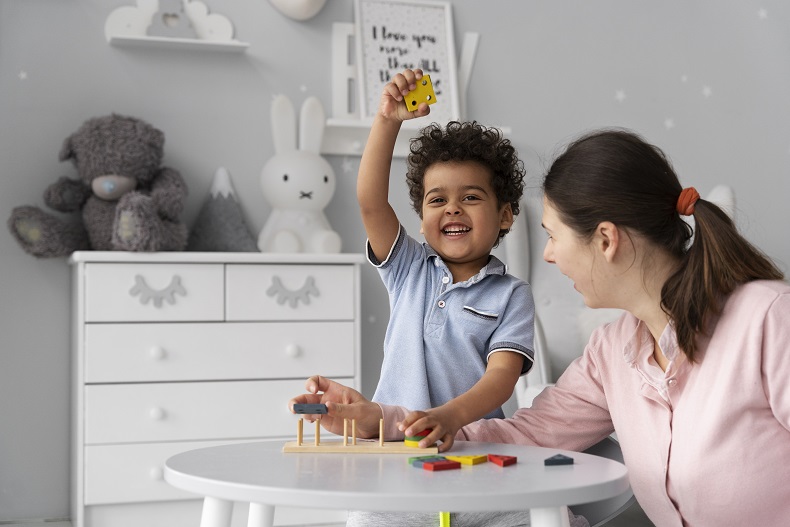
Child therapy is a professional support system designed to help children cope with emotional, behavioral, and psychological difficulties. Children may experience challenges such as anxiety, stress, behavioral issues, learning difficulties, trauma, or problems related to family changes. Because children often struggle to express their feelings verbally, therapy provides a safe and supportive environment where they can communicate through play, activities, and guided interaction.
Therapists use age-appropriate methods such as play therapy, art therapy, storytelling, and simple conversations to understand a child’s emotions and thoughts. These techniques help children express feelings they may not fully understand or know how to explain. Through therapy, children learn healthy ways to manage emotions, improve communication skills, and build self-confidence.
Child therapy also supports parents and caregivers. Therapists often guide families on how to respond to a child’s needs, improve family communication, and create a positive home environment. When parents are involved, therapy becomes more effective and long-lasting.
Early intervention is important. Addressing emotional or behavioral issues at a young age can prevent future mental health problems and improve academic performance, social relationships, and emotional well-being. Child therapy does not mean a child is “weak” or “problematic.” Instead, it is a proactive step toward healthy development.
Overall, child therapy helps children grow into emotionally balanced and confident individuals. By supporting mental health early in life, therapy lays the foundation for a healthier and happier future.
Child & Developmental Therapies
Jan 19, 2026
Child Therapy: Supporting Emotional and Mental Growth in Children
Child therapy helps children understand and manage their emotions, behaviors, and challenges in a healthy way. It supports mental, emotional, and social development.