
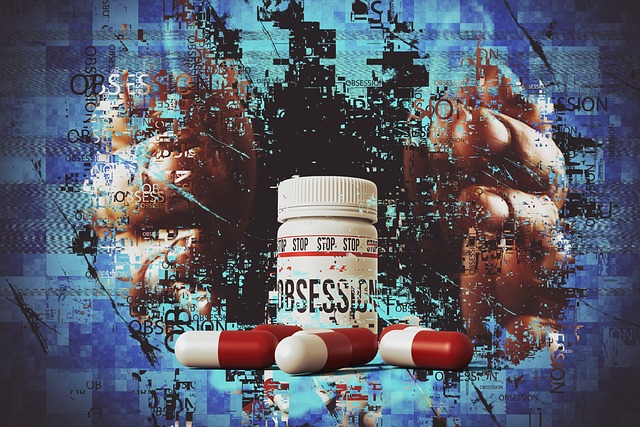
Addiction is a chronic condition in which a person becomes physically or psychologically dependent on a substance or behavior. It can involve drugs, alcohol, nicotine, or behaviors such as gambling, gaming, or excessive internet use. Addiction affects the brain’s reward system, making it difficult for individuals to control their actions despite negative consequences.
The causes of addiction vary from person to person. Common factors include genetic predisposition, mental health conditions, peer pressure, stress, trauma, and environmental influences. In many cases, addiction begins as occasional use or behavior but gradually develops into a compulsive habit that interferes with daily life, relationships, and responsibilities.
Addiction can have serious physical and mental health effects. It may lead to heart disease, liver damage, weakened immunity, anxiety, depression, and cognitive problems. Social and economic consequences are also common, including family conflict, job loss, financial difficulties, and legal issues.
Recovery from addiction is possible with proper support and treatment. Effective treatment often includes counseling, behavioral therapy, medical support, and lifestyle changes. In some cases, rehabilitation programs or support groups play a vital role in long-term recovery. Early intervention greatly improves the chances of successful treatment.
One important aspect of addressing addiction is reducing stigma. Addiction is not a moral failure but a health condition that requires understanding and care. With awareness, education, and access to appropriate treatment, individuals struggling with addiction can regain control of their lives and work toward a healthier future.
Speech, Language & Communication Therapy
Jan 02, 2026
Addiction: Understanding Causes, Effects, and Recovery
Addiction is a complex condition that affects physical, mental, and emotional health. Understanding addiction is the first step toward prevention, treatment, and long-term recovery.